
What Are Succulent Plants?
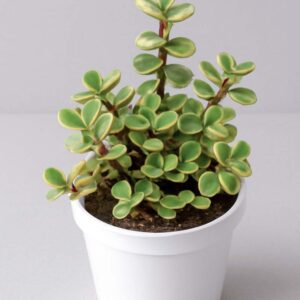
Succulent plants are a diverse group defined by their ability to store water in thick, fleshy leaves, stems, or roots, allowing them to endure dry, arid conditions. The term “succulent” originates from the Latin “sucus,” meaning juice or sap, which highlights their moisture-retaining tissues. Available in a wide array of shapes, sizes, and colors, succulents are prized for their unique appearance and adaptability, making them a popular choice for both indoor and outdoor gardening. Their resilience and low-maintenance nature appeal to plant enthusiasts of all levels.
Characteristics of Succulent Plants
A plant qualifies as a succulent if it has specialized tissues that retain water, an adaptation for surviving in environments with limited moisture. These tissues, located in leaves, stems, or roots, give succulents their plump, juicy look. Their thick, waxy, or rubbery skin minimizes water loss, and many species originate from deserts or semi-arid regions. This water-storage capability reduces the need for frequent watering, making succulents ideal for those with busy schedules or new to plant care.
Popular Types of Succulent Plants

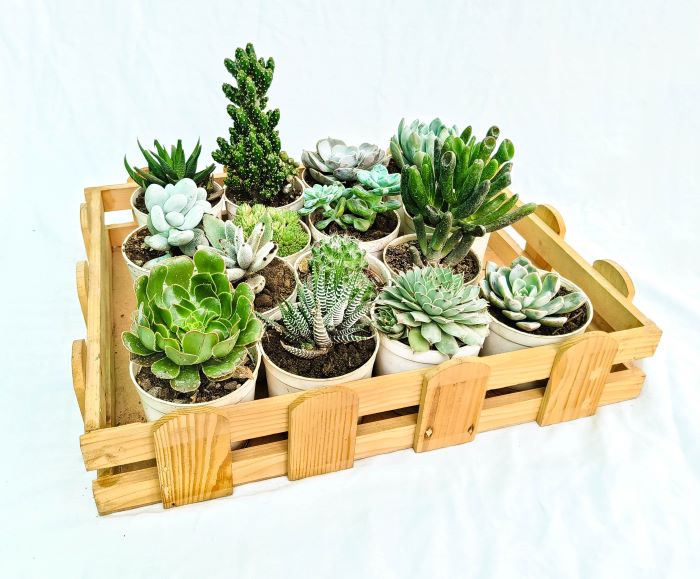
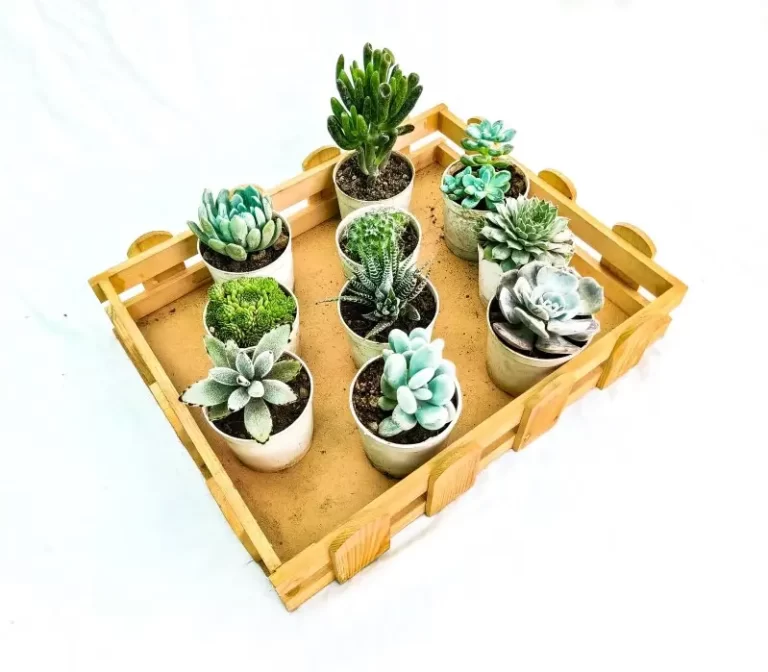
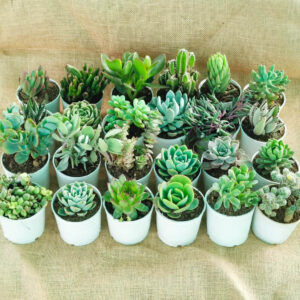
With hundreds of succulent plants species, there’s something for every taste. Here are some widely recognized types:
- Aloe Vera: Valued for its soothing gel, used in skincare, this succulent thrives indoors or outdoors.
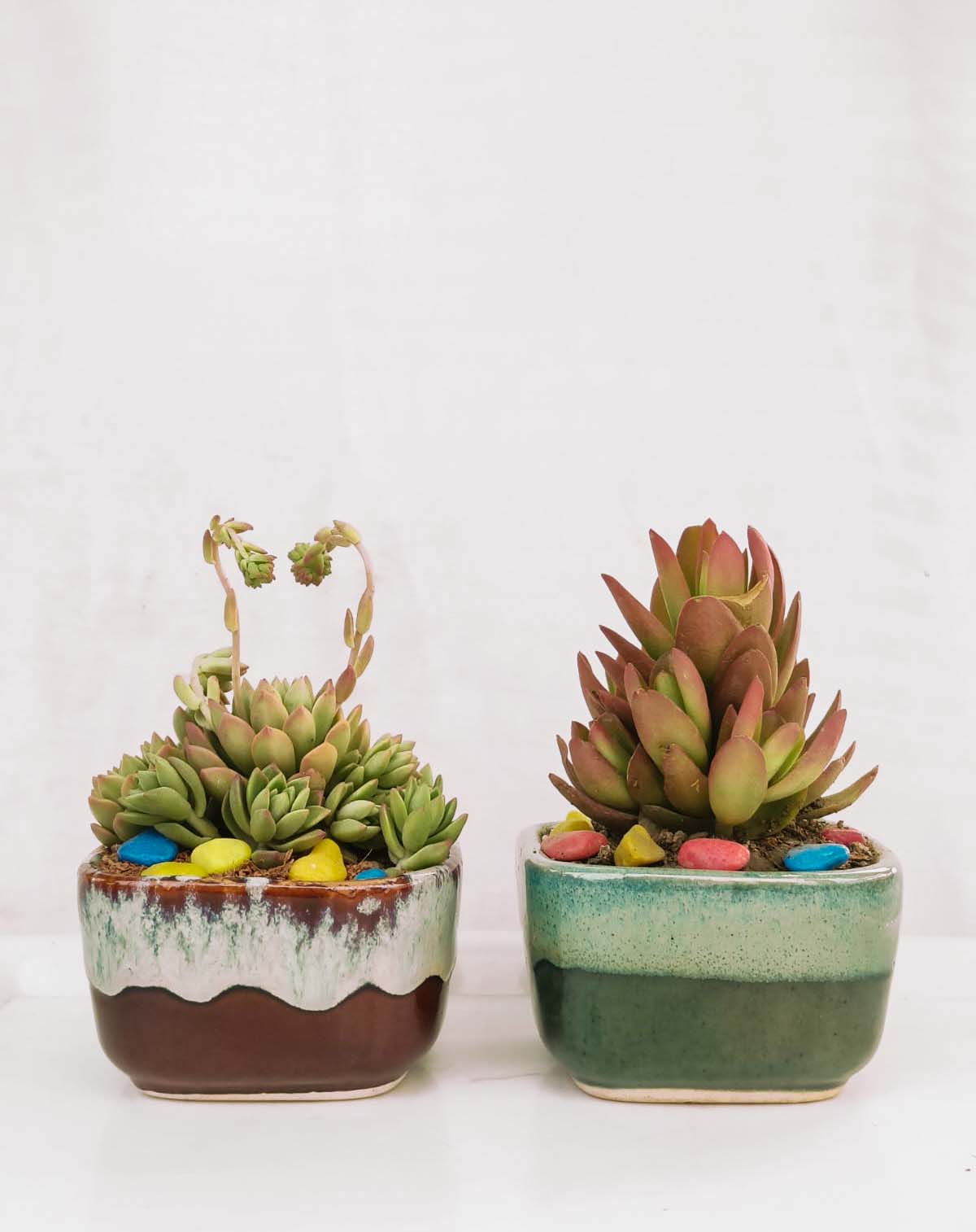
- Echeveria: Known for its rosette shape, it offers a range of colors and sizes for visual appeal.
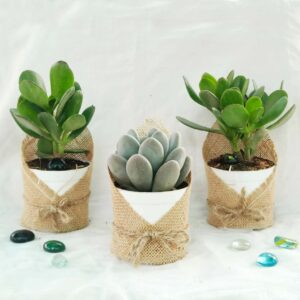
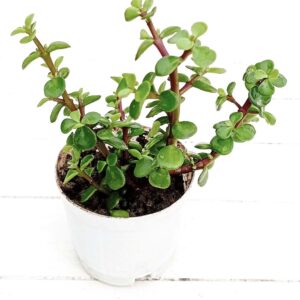
- Jade Plant (Crassula ovata): A symbol of luck and prosperity, it’s a favorite for indoor settings.
- Sedum (Stonecrop): Versatile for ground cover or pots, available in trailing or upright varieties.
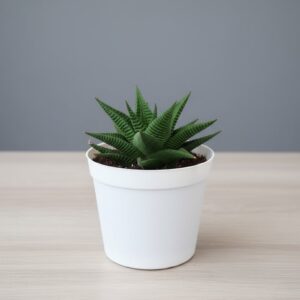
- Haworthia: Small, spiky, and often zebra-patterned, ideal for compact spaces.
- Cactus: All cacti are succulents, thriving in bright sunlight, though not all succulents are cacti.
How to Care for Succulents?
Succulents are low-maintenance but require specific care to flourish:Watering: Water only when the soil is fully dry to avoid root rot, the primary cause of succulent loss. Deep, infrequent watering is best.
- Light: Most succulents need 4–6 hours of bright, indirect sunlight daily. Place them near a south- or east-facing window indoors, though cacti can handle direct sun.
- Soil: Use a well-draining cactus or succulent potting mix. Standard soil retains too much water, risking plant health.
- Containers: Select pots with drainage holes to prevent moisture buildup. Terracotta pots are ideal for absorbing excess water.
Purchasing Succulents Online
Building a succulent collection is easy with online retailers. Many nurseries and e-commerce platforms offer a variety of succulents, often bundled with care instructions, pots, or starter kits. When buying, choose healthy, pest-free plants and review seller feedback for reliability. Beginners should opt for hardy or seasonal varieties to ensure success. Proper packaging during shipping is essential to protect these delicate plants from damage.
Why Choose Succulents?
Succulents are perfect for home environments due to their minimal care requirements and striking visual appeal. They enhance spaces with unique textures and vibrant hues while being easy to maintain. Some, like the jade plant, are thought to attract positive energy and prosperity in traditions like Feng Shui. Their adaptability makes them suitable for both novice gardeners and seasoned plant lovers, adding natural beauty to any setting.
Frequently Asked Questions
Are succulents good for homes?
They purify air, need little care, and enhance decor.
Which succulent is considered lucky?
Jade Plant (Crassula ovata) is linked to wealth and prosperity.
Do succulents need water?
Water sparingly when soil is dry to avoid root rot.
Do succulents need sunlight?
Most require 4–6 hours of indirect sunlight daily.