
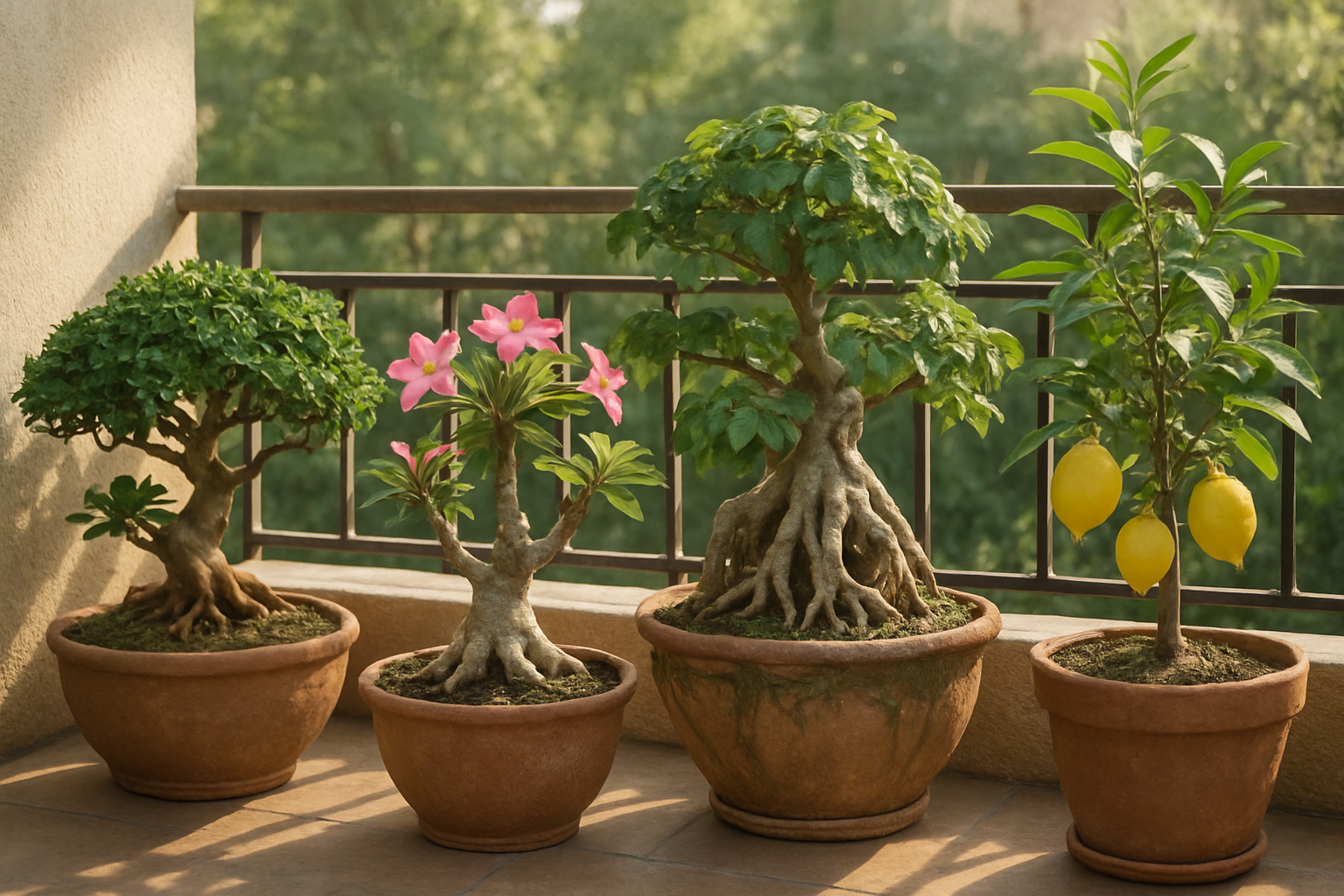
Bonsai and succulents are more than just plants—they’re miniature masterpieces that bring nature’s beauty indoors. Bonsai, a centuries-old art form, embodies patience and balance, while succulents offer vibrant, low-effort charm. Whether you’re a seasoned gardener or a novice, these plants can transform your space and well-being.
The History of Bonsai
Originating in China over 2,000 years ago as penjing, bonsai was later perfected in Japan, where it became a symbol of Zen philosophy. The term “bonsai” translates to “planted in a container” in Japanese, reflecting the art of cultivating miniature trees. Today, bonsai represents harmony, tranquility, and a deep connection with nature, captivating enthusiasts worldwide.
Types of Bonsai
Bonsai trees can be shaped into various styles, each with its own allure:
- Formal Upright (Chokkan): A straight, symmetrical tree with evenly spaced branches.
- Informal Upright (Moyogi): A gracefully curved trunk with natural branches.
- Slanting (Shakan): A tilted trunk leaning to one side.
- Cascade (Kengai): A cascading form mimicking a tree hanging over a cliff.
- Broom (Hokidachi): A fan-like canopy atop a sturdy trunk.
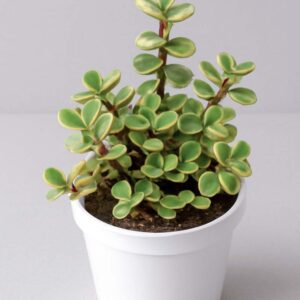
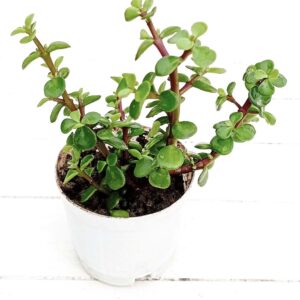
Popular species for bonsai include ficus, juniper, jade, maple, and even bamboo, adaptable to your environment.
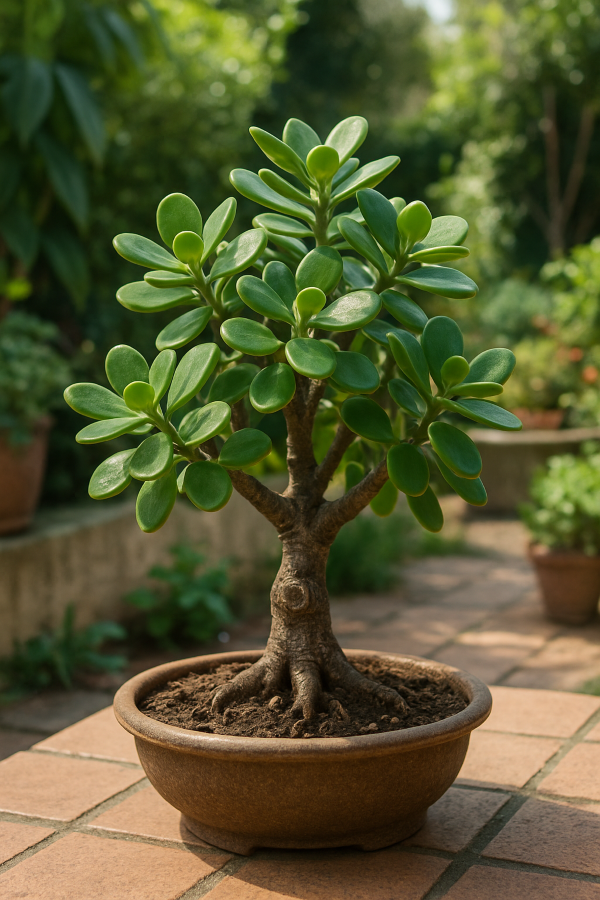
Benefits of a Bonsai Tree at Home
Bonsai plants offer a range of advantages that enrich both your home and mind:
- Air Purification: Many bonsai trees filter indoor pollutants, improving air quality.
- Stress Reduction: Tending to bonsai fosters calm, making it a soothing, meditative practice.
- Creative Outlet: Shaping and pruning sparks artistic expression and ingenuity.
- Symbolism: Bonsai embody discipline, patience, and Zen-inspired serenity.
- Space-Saving Decor: Perfect for compact areas like shelves, desks, or balconies.
- Enhanced Focus: Observing and caring for bonsai sharpens mental clarity.
- Sustainable Gifting: A bonsai is a thoughtful, eco-conscious gift for any occasion.
Bonsai Care Tips
Keep your bonsai thriving with these simple guidelines:
- Watering: Water when the topsoil feels dry, ensuring no waterlogging.
- Light: Provide 4–6 hours of bright, indirect sunlight daily.
- Pruning: Regularly trim leaves, branches, and roots to maintain its shape.
- Soil & Pot: Use fast-draining bonsai soil in a shallow, perforated pot.
- Fertilizing: Apply a balanced organic fertilizer monthly during growth periods.
FAQs
- What is special about bonsai trees?
They combine horticulture and artistry, teaching patience and discipline while enhancing your indoor environment.
- What does bonsai mean?
“Bonsai” is a Japanese word that means “planted in a container.” It refers to growing a full-sized tree in miniature form.
- Can any tree be a bonsai?
Technically yes. Any tree with a woody stem can be transformed into a bonsai if pruned and trained properly.
- Can I grow bonsai at home?
Yes! Ficus, jade, and Chinese elm are beginner-friendly bonsais you can grow indoors.
- Is a bonsai good for Vastu?
Yes! Ficus, jade, and Chinese elm are beginner-friendly bonsais you can grow indoors.